What if the point-and-click adventure genre’s most memorable mid-90s release wasn’t about wisecracking pirates or gothic murder, but about a fox trying to clear his name among talking animal tribes?
From The Dreamers Guild to Wyrmkeep
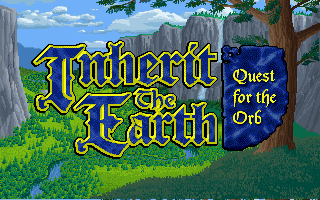
Inherit the Earth: Quest for the Orb is a 1994 point-and-click adventure developed by The Dreamers Guild and originally published by New World Computing. Set in a distant future where intelligent, anthropomorphic animals have inherited the Earth after humanity’s disappearance, the game follows Rif, a fox from the Fox Tribe, who is framed for the theft of a sacred artifact called the Orb and must clear his name while uncovering a much larger conspiracy. Years later, Joe Pearce — a co-founder of The Dreamers Guild — acquired the rights through his new company, Wyrmkeep Entertainment Co., and has kept the game maintained and re-released for modern systems ever since, including the version currently sold on GOG.
Rif’s Quest Across Animal Tribal Lands
Players guide Rif across a richly imagined world of talking animal tribes, each with its own culture, using classic point-and-click mechanics: examining the environment, collecting items, and combining objects to solve puzzles. The game emphasizes dialogue and character interaction alongside its puzzles, with a large cast of animal characters that flesh out the world well beyond the central mystery. Its watercolor-style art and gentle, fable-like tone — often read as commentary on tribalism and prejudice — set it apart from the darker or more comedic adventures of the same period.
What Makes the Puzzle Design Forgiving
A few things help this one go down easy for newcomers to the genre:
- Talk to every character more than once; dialogue updates as the plot advances, and repeat conversations often unlock new lines rather than just repeating the old ones.
- Hang onto items you don’t immediately understand — the world design rewards patience over trial-and-error pixel hunting.
- The game rarely kills you or lets you get permanently stuck, so it’s safe to experiment freely with combinations before consulting a walkthrough.
- Pay attention to the painted backgrounds; small animated details often mark interactive hotspots that a static scene would hide.
Compared to Its Point-and-Click Contemporaries
Set beside the same era’s Gabriel Knight, with its gothic supernatural dread, or Sam & Max Hit the Road, with its zany slapstick, Inherit the Earth occupies a much gentler register — closer to a fable than a thriller or a comedy. That contrast is really the point: not every adventure of 1994 needed shock value or wisecracks to hold a player’s attention. It also sits interestingly alongside King’s Quest VI, another 1994 release built around a fantastical, hand-painted world; where King’s Quest leans on fairy-tale spectacle, Inherit the Earth’s animal societies feel more grounded in something closer to real-world tribal politics, even wrapped in a talking-fox premise.
Why It’s Still Around Today
Inherit the Earth’s continued availability, thanks to Wyrmkeep Entertainment’s ongoing support, is itself a mark of its lasting fanbase. Plenty of adventure games from the same year have vanished into abandonware limbo; this one hasn’t. Wyrmkeep has periodically updated the presentation for newer operating systems and even produced an enhanced version with improved art, which speaks to a small but genuinely devoted following that has kept the game commercially viable for three decades.
New World Computing’s role as original publisher is also worth a mention, since the company is far better known for the Might and Magic and Heroes of Might and Magic series than for narrative adventure games. Inherit the Earth was something of an outlier in New World’s catalog, published alongside a lineup dominated by fantasy RPGs, which may partly explain why it never achieved the same commercial profile as those franchises despite its critical goodwill.
Finding a Legal Copy
If DOSBox is new territory for you, our complete DOSBox setup guide has you covered from install to launch.
The animal-tribe framing device also gave the writers room to explore themes of prejudice and cooperation without the story ever feeling preachy about it, since the fable format naturally invites that kind of allegorical reading without needing to spell it out directly.
Setting It Up in DOSBox
After installing from GOG, running the DOS version in DOSBox follows the familiar pattern: mount your install folder as C: with mount c [folder], switch to it with c:, and launch the game’s EXE. If the display looks off or the music sounds thin, check your sound card and display settings against our DOSBox guide before assuming something’s broken. The game’s watercolor art holds up best at a clean integer scaling factor, so it’s worth experimenting with DOSBox’s output settings rather than accepting a stretched default window.
My Honest Take
Inherit the Earth stands out for its distinctive anthropomorphic setting and thoughtful, fable-like storytelling, offering something more contemplative than most of its contemporaries. It’s a strong pick for adventure fans who appreciate worldbuilding and character-driven mysteries over shock value. My honest reservation: the pacing is slow and the stakes rarely feel urgent, which can test the patience of players used to sharper genre conflict, and a handful of puzzles lean on animal-tribe lore you have to piece together gradually rather than logic you can reason out on the spot. I’d still put it ahead of most fantasy-themed adventures from the same window of years, if only because it commits so fully to a tone almost nobody else in the genre was attempting.
See Rif’s Journey in Action
You might also like: