Lovecraft, rendered as a slow-burn adventure
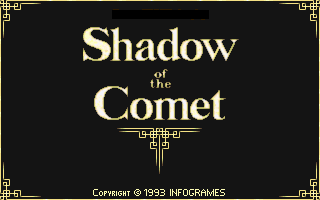
Call of Cthulhu: Shadow of the Comet, developed and published by Infogrames in 1993 and licensed by Chaosium, owner of the Call of Cthulhu tabletop trademark, follows Jeremy Hunt, a young British photographer traveling to the isolated New England town of Illsmouth to document a rare passing comet, only to find that the last person who attempted the same trip ended up committed to an asylum.
Drawing directly on the atmosphere and themes of H.P. Lovecraft’s Cthulhu Mythos, the game builds a slow, unsettling mystery around the town’s secretive residents and the strange cult activity tied to the comet’s arrival. It was well received for successfully translating Lovecraftian dread into the point-and-click adventure format, at a time when very few games had attempted cosmic horror as a genre at all, let alone one built around patient investigation instead of jump scares.
Investigating Illsmouth without losing your mind
Shadow of the Comet has you exploring Illsmouth’s streets, docks, and buildings, gathering documents and photographs, and speaking with a suspicious cast of townspeople. Investigation is central: uncovering the truth requires patience, backtracking, and careful attention to environmental detail, much of it hidden in plain sight among Illsmouth’s fog-choked streets.
The game also includes a sanity mechanic in the spirit of its source material, along with a handful of action and stealth sequences that require avoiding danger rather than confronting it directly, reinforcing the Lovecraftian idea that some threats are best avoided rather than fought. This blend of slow investigation and periodic tension set it apart from more conventional adventure games of the time, and the sanity system in particular gives the game a real sense of consequence beyond a simple game-over screen.
Illsmouth itself, an obvious echo of Lovecraft’s Innsmouth, is doing a lot of the game’s storytelling before you’ve even spoken to a single townsperson. Its architecture, weather, and sound design are all tuned toward a specific creeping wrongness, and the game trusts that atmosphere to build dread gradually rather than front-loading its horror in a single dramatic reveal. That patience is a big part of why it’s remembered fondly by horror-adventure fans decades later.
Surviving the sanity mechanic
- Avoid lingering on disturbing sights and locations longer than necessary; the sanity mechanic punishes prolonged exposure to Illsmouth’s more unsettling discoveries, so gather what you need and move on.
- Prioritize stealth over confrontation whenever the game gives you the option – Shadow of the Comet is built around the idea that direct conflict with its horrors is rarely the right approach.
- Photograph or document evidence whenever the option appears; Jeremy Hunt’s profession as a photographer is woven into the puzzle design in ways that reward using his camera proactively.
- Save frequently and in multiple slots, especially before stealth or action sequences, since a failed encounter can end a run abruptly with little warning.
What it set in motion
Shadow of the Comet is one of the earliest and most successful attempts to bring Lovecraftian horror into a full-length adventure game, establishing a template that influenced Infogrames’ own follow-up, Prisoner of Ice, as well as later Cthulhu Mythos games more broadly. Its willingness to build dread through atmosphere and investigation rather than jump scares still feels distinctive, especially compared to how horror games would later lean on shock tactics as the genre matured.
My honest opinion: the sanity and stealth systems are ambitious for 1993 and mostly land, though a couple of the action sequences feel more punishing than genuinely scary, which occasionally undercuts the game’s otherwise excellent slow-burn atmosphere. Fans of Lovecraft’s fiction, cosmic horror, or slow-burn mystery adventures will find Shadow of the Comet a genuinely unsettling and rewarding experience, especially now that it’s available through an official DRM-free re-release rather than aging original media. It’s aged into a quiet cult favorite among horror-adventure fans precisely because it never chases a jump scare when a slow, dreadful realization will do instead.
It’s also worth knowing this wasn’t Infogrames’ only trip to the Mythos. A follow-up, Prisoner of Ice, picked up a related thread a couple of years later with a new protagonist and a colder, more claustrophobic Antarctic setting. If Shadow of the Comet’s patient investigative pace and creeping dread work for you, that sequel is a natural next stop for more of the same tone applied to a different corner of Lovecraft’s mythos.
What ultimately makes Shadow of the Comet worth returning to is how disciplined it is about withholding information. The game trusts you to piece together what’s happening in Illsmouth from fragments – a half-finished conversation, a torn document, an odd reaction from a townsperson – rather than spelling out the horror directly, and that restraint is exactly the kind of storytelling instinct Lovecraft’s own fiction has always depended on in order to actually work as truly effective, lasting horror fiction.
Where to find the comet
I keep a full DOSBox setup guide on the site — worth a read if the commands below are new to you.
Booting up Illsmouth in DOSBox
Mount the folder containing your game files with mount c [folder], switch to that drive with c:, and run the EXE. See our DOSBox guide for full configuration details, including Sound Blaster setup for the game’s unsettling ambient audio, which is worth getting right given how much of the horror here is carried by sound design.
Illsmouth on Screen
You might also like: