An ordinary teenager, back in a world that never wanted him gone
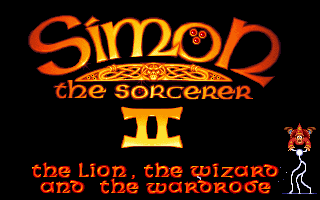
Simon the Sorcerer II: The Lion, the Wizard and the Wardrobe, developed by British studio Adventure Soft and released in 1995, is the sequel to 1993’s Simon the Sorcerer. It continues the story of Simon, an ordinary teenager pulled back into a magical parallel world full of fairy-tale parody and fantasy references he’d rather not be dealing with a second time.
The Simon the Sorcerer series built its identity on irreverent British humor, poking fun at fantasy tropes and fairy tales with a script full of puns and pop-culture jabs that owe an obvious debt to Terry Pratchett and Douglas Adams. The Lion, the Wizard and the Wardrobe expanded on the original with improved graphics, animation, and a larger world for Simon to explore as he searches for a way back home, all while barely disguising the title’s own joke at C.S. Lewis’s expense.
Wandering a world built entirely out of punchlines
The game is a classic point-and-click adventure, with Simon exploring a variety of whimsical locations, collecting items, and talking to a large cast of comedic characters. Puzzles are built around inventory combinations and dialogue-driven clues, with the game’s humor woven directly into how puzzles are presented and solved rather than bolted on as separate jokes between the actual gameplay.
Simon the Sorcerer II is generally friendlier than many contemporary Sierra adventures, avoiding sudden deaths in favor of a more exploratory pace that lets players soak in the jokes and parody without fear of losing progress. The game rewards curiosity, encouraging players to try every dialogue option and interact with as much of the world as possible, since a fair number of the best jokes are entirely optional and easy to walk past if you’re rushing toward the next objective.
Simon himself is a big part of why the writing works as well as it does. Unlike a lot of fantasy-adventure protagonists who play the straight man to a world full of jokes, Simon is openly sarcastic and unimpressed by the magical nonsense around him, which gives Adventure Soft a built-in outlet for commentary on every fairy-tale cliche the game parodies. That running attitude keeps the humor from feeling like a string of disconnected references, since it’s filtered through a consistent, recognizably teenage voice throughout.
Getting the most laughs out of it
- Exhaust every dialogue topic with every character before moving on – Simon the Sorcerer II front-loads a lot of its comedy into conversations that have zero bearing on solving puzzles.
- Try combining items that seem thematically related even without an obvious use case; the game’s puzzle logic tends to follow parody logic rather than strict realism.
- Revisit Simon’s magic sword and its running commentary regularly; several of its remarks change based on where you are and what you’re carrying.
- Don’t rush past background scenery. Adventure Soft hid a lot of visual gags in the environment art that reward players who take the time to just look around.
- If a puzzle solution feels like it’s relying on a pun or a pop-culture reference rather than strict logic, trust that instinct – the game’s sense of humor is frequently also its puzzle design, and the two are rarely separate from each other.
How it stacks up against its comedy-adventure peers
Anyone who enjoys parody-driven fantasy humor in the vein of contemporaries like Discworld or the LucasArts adventures will feel right at home here, though Simon the Sorcerer II is noticeably gentler than Discworld’s puzzle design, trading some of that game’s difficulty for a more welcoming pace. Compared to LucasArts titles like Monkey Island, the humor here leans more toward British sitcom-style character comedy than visual slapstick, giving it a distinct flavor within the genre.
My honest take: this is frequently cited as one of the best entries in the series and a high point of British adventure game comedy from the 1990s, and I think that reputation holds up well on replay. The puzzle design is clever without being obtuse, the character writing is genuinely funny rather than just referential, and it remains one of the most approachable comedy adventures from this era for players who bounce off harsher, less forgiving Sierra-style design. If I have one complaint, it’s that the back half of the game leans a little too hard on backtracking across previously visited locations, padding the length in a way the sharper opening acts don’t really need. Even with that caveat, it’s a comfortable, warmly funny adventure that’s aged into one of the more replayable comedy games from the period, and one I still recommend first to anyone asking where to start with British adventure-game comedy, ahead of even the original Simon the Sorcerer, largely on the strength of how much more confident the writing feels the second time around.
Picking up a copy of Simon II
If terms like “mount” and “cycles” mean nothing to you yet, our DOSBox guide will fix that quickly.
Setting it up in DOSBox
After installing, mount the game’s folder as your C drive in DOSBox, switch to that drive, and launch the EXE. As with most mid-90s point-and-click adventures, make sure your Sound Blaster settings are configured correctly before launching so the game’s music and speech play cleanly. Our DOSBox setup guide linked above covers configuring sound and graphics for smooth playback of mid-90s point-and-click adventures.
Simon in Action
You might also like: