Refining a Surprise Hit
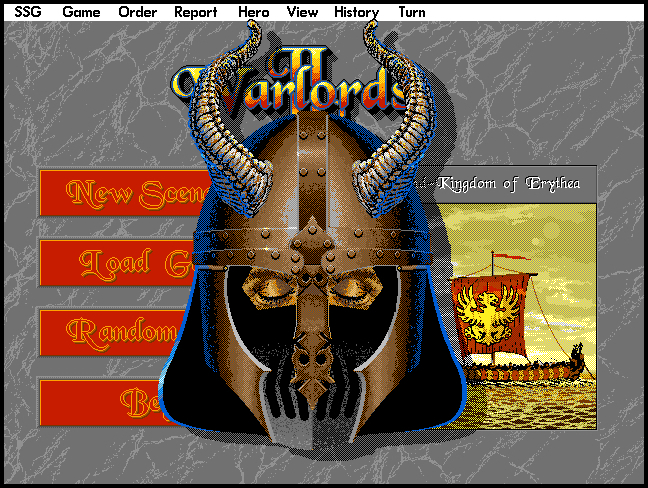
The original Warlords was a surprise commercial success for the small Australian studio Strategic Studies Group, and designer Steve Fawkner used that goodwill to refine nearly everything for the 1993 sequel. Warlords II keeps the same persistent fantasy world of Illuria and the same turn-based conquest structure, but adds more races and heroes, deeper diplomacy, and a level editor that let the community build and share dozens of custom maps.
It landed at a moment when strategy gamers were hungry for something between the grand scale of Civilization and the tactical intimacy of a dedicated wargame, and Warlords II split that difference about as well as anything released that year. The sequel also expanded the number of playable races considerably, giving each one distinctive units and strengths rather than reskinning a single generic army with different portraits.
Conquest Made Approachable
You control one of several fantasy kingdoms, using a mix of economy, army production, and hero questing to eliminate rival factions from the map. Each turn, you move stacks of units between cities, garrison strongholds, and send heroes out to search ruins and temples for artifacts, allies, and gold.
What made it click for so many players was how little friction stood between decisions and outcomes: combat resolves quickly with a simple but tense dice-based system, developed cities generate income and units automatically, and diplomacy lets you form alliances or declare war on the fly. The sheer number of playable races and starting scenarios gave a single-disc release an enormous amount of replay value, and the included map editor meant the community kept producing new scenarios long after the initial release.
Tips for Your First Campaign
- Send heroes to search ruins and temples early – the artifacts and allies they turn up can swing an early game hard in your favor.
- Don’t neglect garrisons; an undefended city can flip to a raiding army faster than you’d expect, especially on higher difficulty settings.
- Pick a race that matches your playstyle rather than defaulting to the strongest units on paper – some races lean into economy, others into raw combat power, and mismatched strategies rarely pay off.
- Use diplomacy proactively rather than reactively; forming an early alliance can buy you time to build up an economy before the map turns hostile.
- Prioritize upgrading a handful of strong stacks over spreading units thin across many small ones – concentrated force wins more battles than scattered garrisons.
How It Compares to Its Strategy Contemporaries
Set next to Master of Magic, which arrived around the same period, Warlords II is a much lighter, faster game – turns take minutes rather than the long, spreadsheet-heavy sessions Master of Magic can demand. Compared with the early Heroes of Might and Magic titles that followed later in the decade, Warlords II has simpler hero mechanics but arguably a cleaner, more readable map, and its dice-based combat resolves faster than Heroes’ tactical battles.
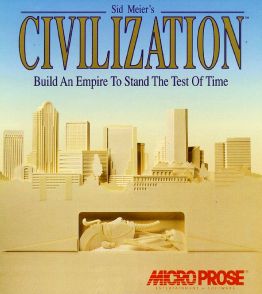
Against a full-blown 4X title like Civilization, Warlords II trades economic depth for approachability, favoring quick, readable turns over intricate tech trees and diplomacy webs. That tradeoff is exactly why it still gets recommended to players who want strategy without a huge time investment per session.
A Strategy Game That Still Holds Up
What surprises me most revisiting Warlords II today is how little it needs modern conveniences to feel good to play – the interface is simple enough that it never gets in the way, and the dice-based combat, while random, resolves fast enough that a bad roll rarely feels like a wasted turn. My one real criticism is that the AI can be predictable once you’ve learned its habits, favoring straightforward pushes over the kind of opportunistic diplomacy a clever human opponent might attempt.
Racial Variety Done Right
One thing I appreciate more on replay than I did the first time through is how differentiated the roster feels without needing paragraphs of stat comparisons to understand. Some kingdoms lean into tough, slow-moving infantry, others favor faster and more mobile raiders, and a few of the more unusual factions bring genuinely different strategic considerations, from unusual unit types to forces that behave differently depending on terrain.
That variety is a big part of why the scenario editor took off with the community – mixing and matching starting races against each other on custom maps created a huge amount of replayability that a lot of contemporary strategy games, locked into a single faction or generic unit roster, simply couldn’t offer.
Where This One Lives Now
New to DOSBox? Our setup guide covers the basics before you jump into Illuria.
Warlords II is a commercial title and is not legally available as a free download. Look for official re-releases on GOG or Steam.
DOSBox Notes for This One
If you own a copy of Warlords II, running it under DOSBox is straightforward: mount the folder containing your game files as a virtual drive with mount c [folder], switch to that drive with c:, and launch the game’s EXE. DOSBox handles CPU cycles and graphics translation automatically from there; our setup guide covers sound configuration and cycle adjustments if you run into slowdown or audio glitches, though this one is light enough to run well on nearly any cycle setting.
Watch and Decide for Yourself
You might also like: