
Test Drive III: The Passion (1990): Early Exotic-Car Racing on DOS
Before racing games could reliably render a closed track convincingly, Test Drive III: The Passion was already trying something more […]
Before racing games could reliably render a closed track convincingly, Test Drive III: The Passion was already trying something more […]
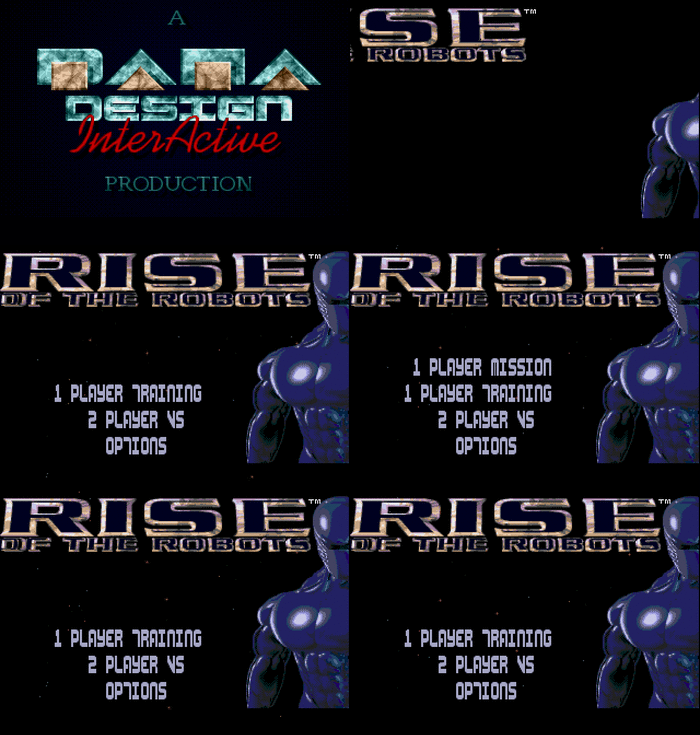
Few games in the mid-90s were hyped as hard as Rise of the Robots. Acclaim’s marketing push around its pre-rendered
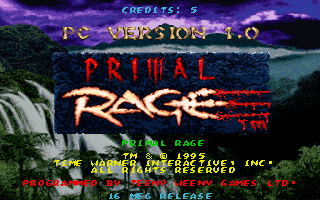
1995 was crowded with fighting games chasing the Street Fighter II and Mortal Kombat formula with yet another cast of
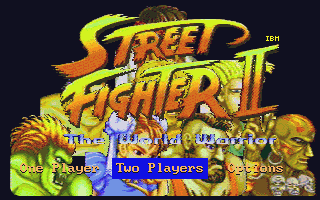
Every home port of Street Fighter II tells you something about the hardware it landed on, and the 1992 MS-DOS
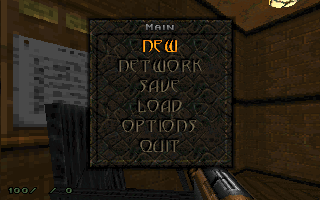
In 1997, most first-person shooters were still drawing their enemies as flat, billboard sprites — even Duke Nukem 3D and
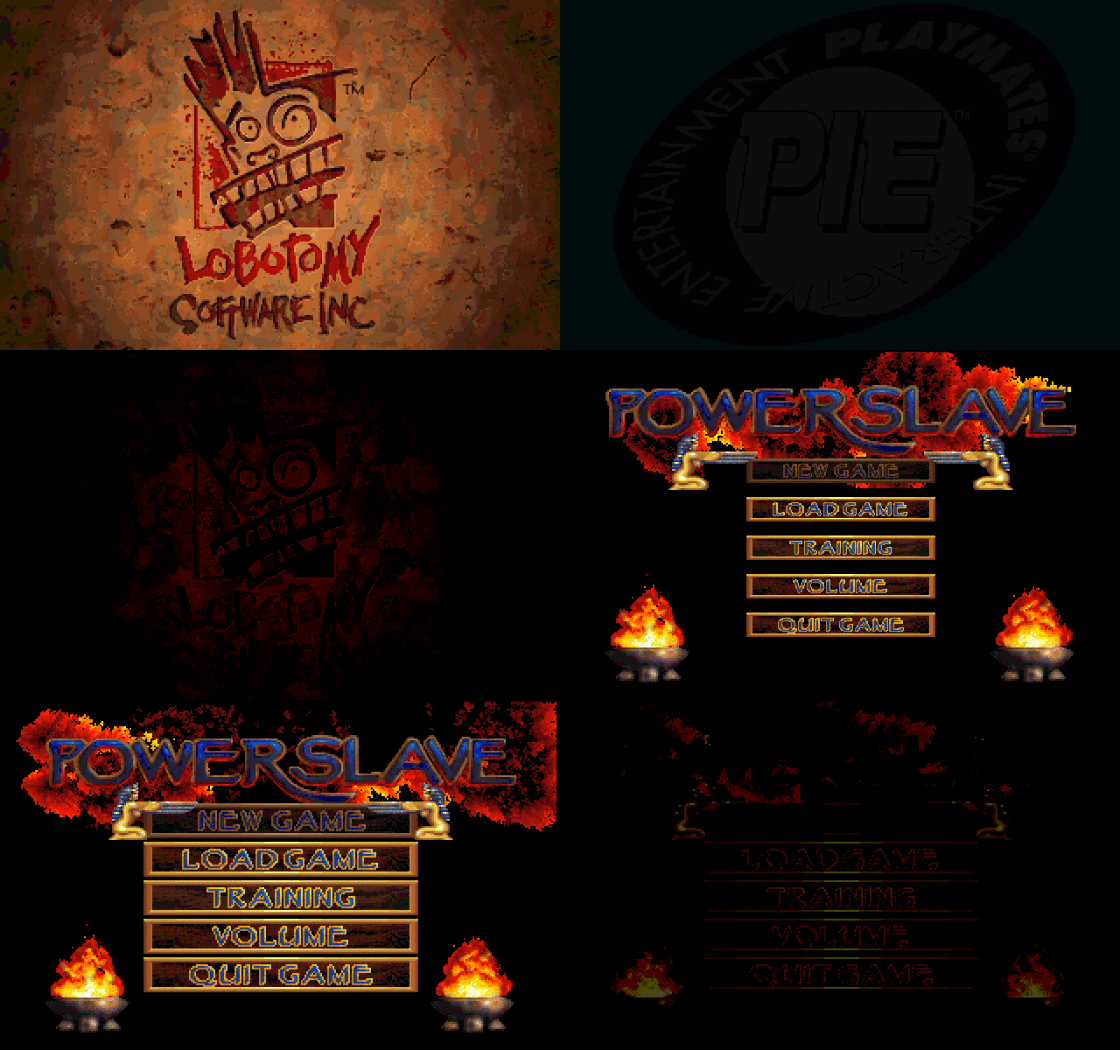
Most 90s shooters wanted you to think about sci-fi corridors or hell dimensions. Powerslave asked a different question: what if
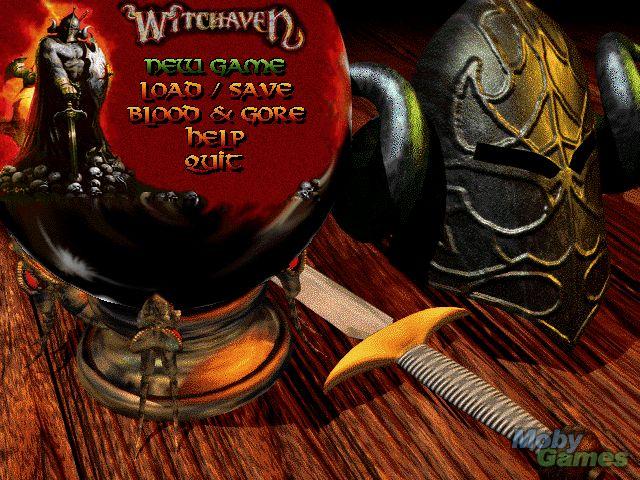
By 1995 the Build engine had a reputation, and it wasn’t for swordplay. Duke Nukem 3D and Blood were still
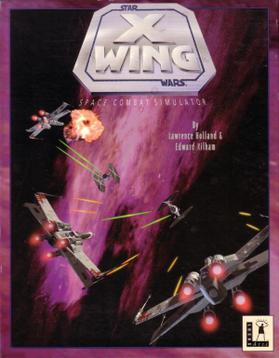
How X-Wing’s real-time 3D polygon ships beat Wing Commander’s sprite tricks, and how its power-triangle combat holds up against TIE Fighter.
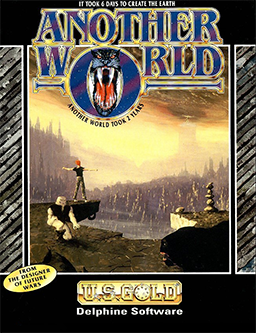
How Éric Chahi built Another World alone in ~2 years using rotoscoped polygon animation instead of sprites — plus DOSBox setup and tips.
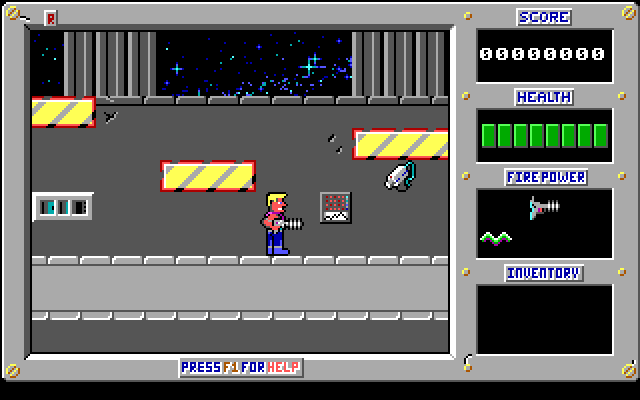
Before the chain-gun and one-liners, Duke Nukem was a 1991 Apogee shareware platformer. Development history, DOSBox setup, and the Duke Nukum name story.
How Midway’s bloody fighter, a 1993 Senate hearing, and Acclaim’s uncensored DOS port combined to create the ESRB rating system.

Hocus Pocus paired VGA fantasy art with elemental magic bolts and a full freeware release — here’s how Moonlite Software’s platformer holds up.