
DOSBox Staging vs DOSBox-X vs Vanilla DOSBox: Which to Use
“Just use DOSBox” used to be simple advice. It still mostly is, except there are now three actively maintained projects […]
“Just use DOSBox” used to be simple advice. It still mostly is, except there are now three actively maintained projects […]
DOS gaming didn’t end with a single dramatic event. It ended over roughly two years, as a new operating system
Ask anyone who set up games on DOS in the early 1990s about “memory management” and you’ll probably get a
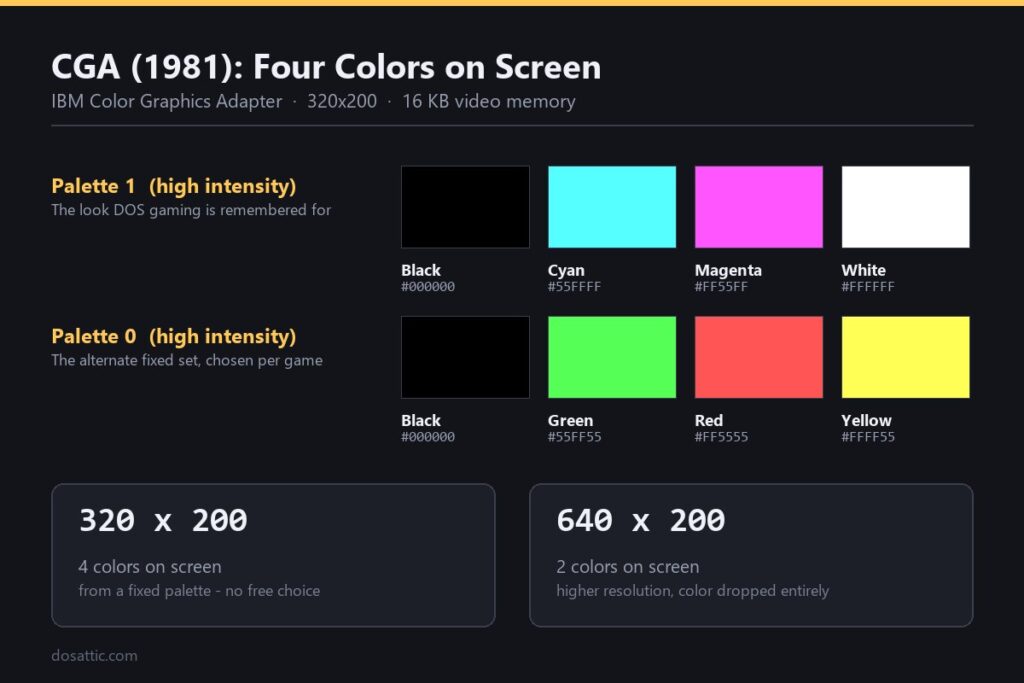
How IBM’s CGA, EGA, and VGA cards evolved from 4 colors to 262,000 — plus the Tandy/PCjr trick and composite color hack developers used to beat them.

How AdLib and Creative Labs fought for DOS gaming audio, and why Wolfenstein 3D sounded different depending on your sound card.
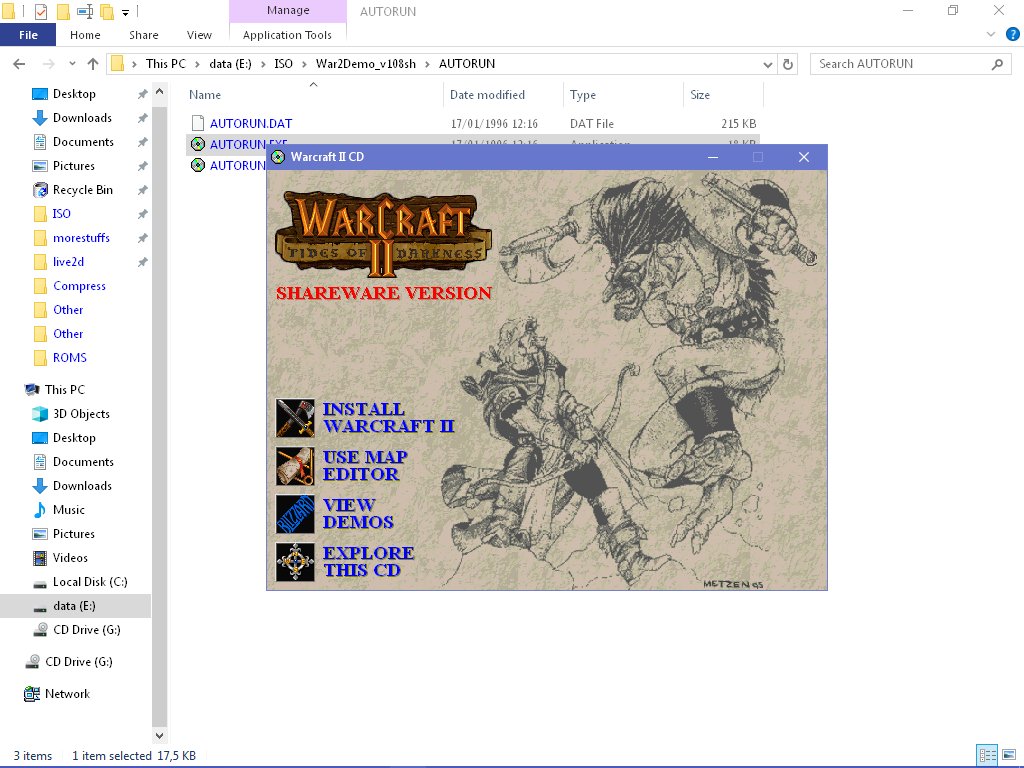
How a twice-renamed studio called Blizzard beat Command & Conquer’s three-month head start to help define the real-time strategy genre.

How Might and Magic IV: Clouds of Xeen was engineered to merge with its sequel into one world, plus DOSBox setup and early-game tips.
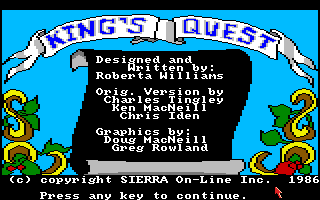
IBM commissioned King’s Quest to sell its failed PCjr computer. Roberta Williams’ game outlived the hardware and invented the graphic adventure.
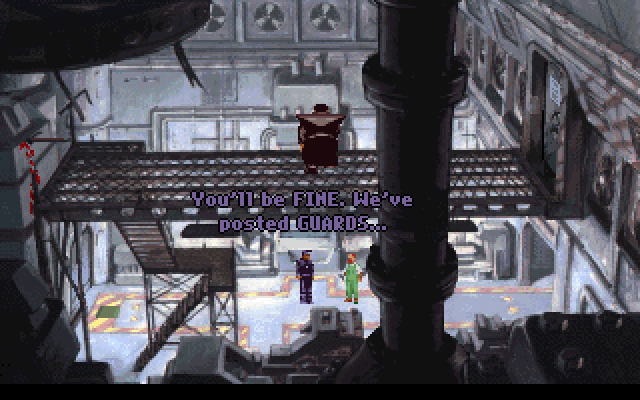
How Watchmen artist Dave Gibbons helped design 1994’s Beneath a Steel Sky, and how it became a freeware classic preserved by ScummVM.
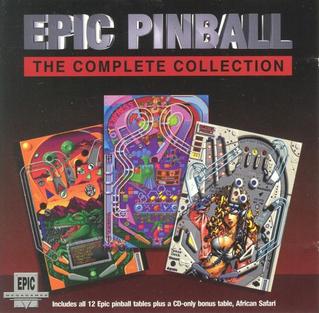
One programmer wrote Epic Pinball in assembly language in 10 months — then used its success to found the studio behind Unreal and Warframe.
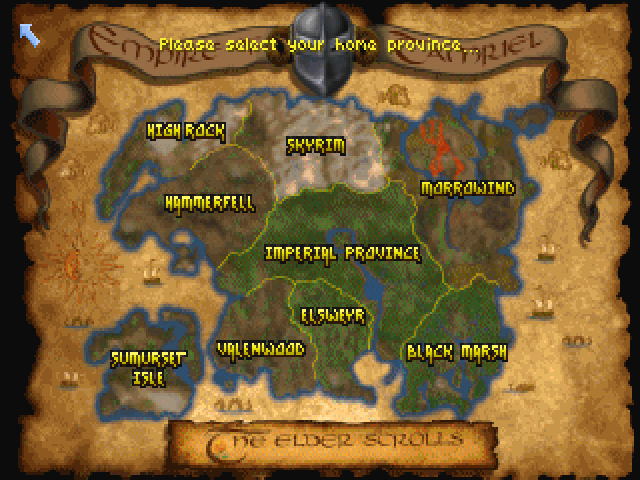
Daggerfall’s procedurally generated world dwarfs Great Britain in size — how it was built, why it broke so often, and how to play it (free) in 2026.
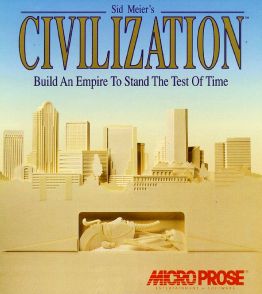
How Sid Meier and Bruce Shelley turned Francis Tresham’s board game roots into the 1991 MicroProse classic — the real prototyping story.