
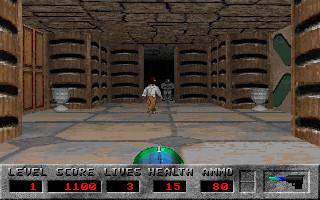
Depth Dwellers (1994): The Free Underwater Shooter That Let You Look Up
By 1994, the Doom-inspired shooter wave had settled into a fairly predictable visual language: sci-fi corridors, hell dimensions, industrial complexes. […]
By 1994, the Doom-inspired shooter wave had settled into a fairly predictable visual language: sci-fi corridors, hell dimensions, industrial complexes. […]
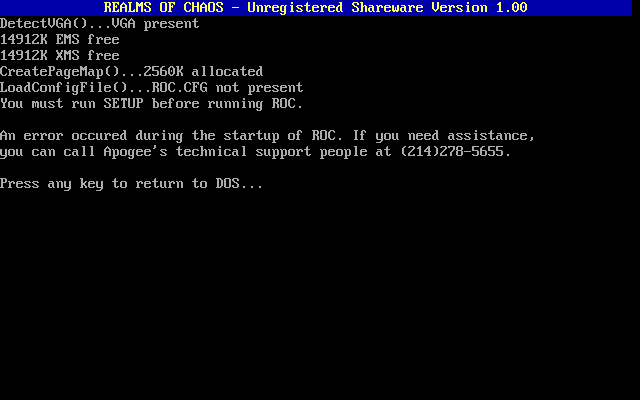
By 1995, the DOS shareware action genre had been through several years of iteration, and it shows in Realms of
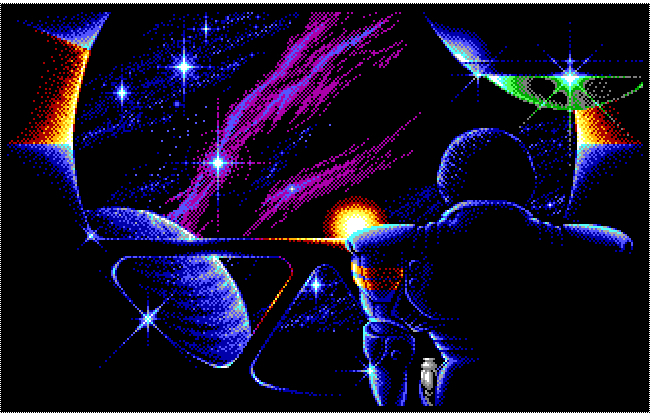
Long before Epic MegaGames became the company behind Unreal and, much later, Fortnite, it was just another shareware publisher trying
Picture a mid-90s FMV adventure and a mid-90s 3D shooter as two separate aisles in a software store. Gremlin Interactive’s
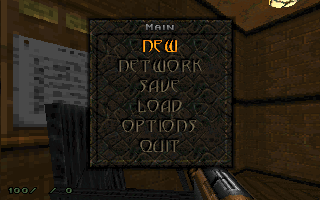
In 1997, most first-person shooters were still drawing their enemies as flat, billboard sprites — even Duke Nukem 3D and
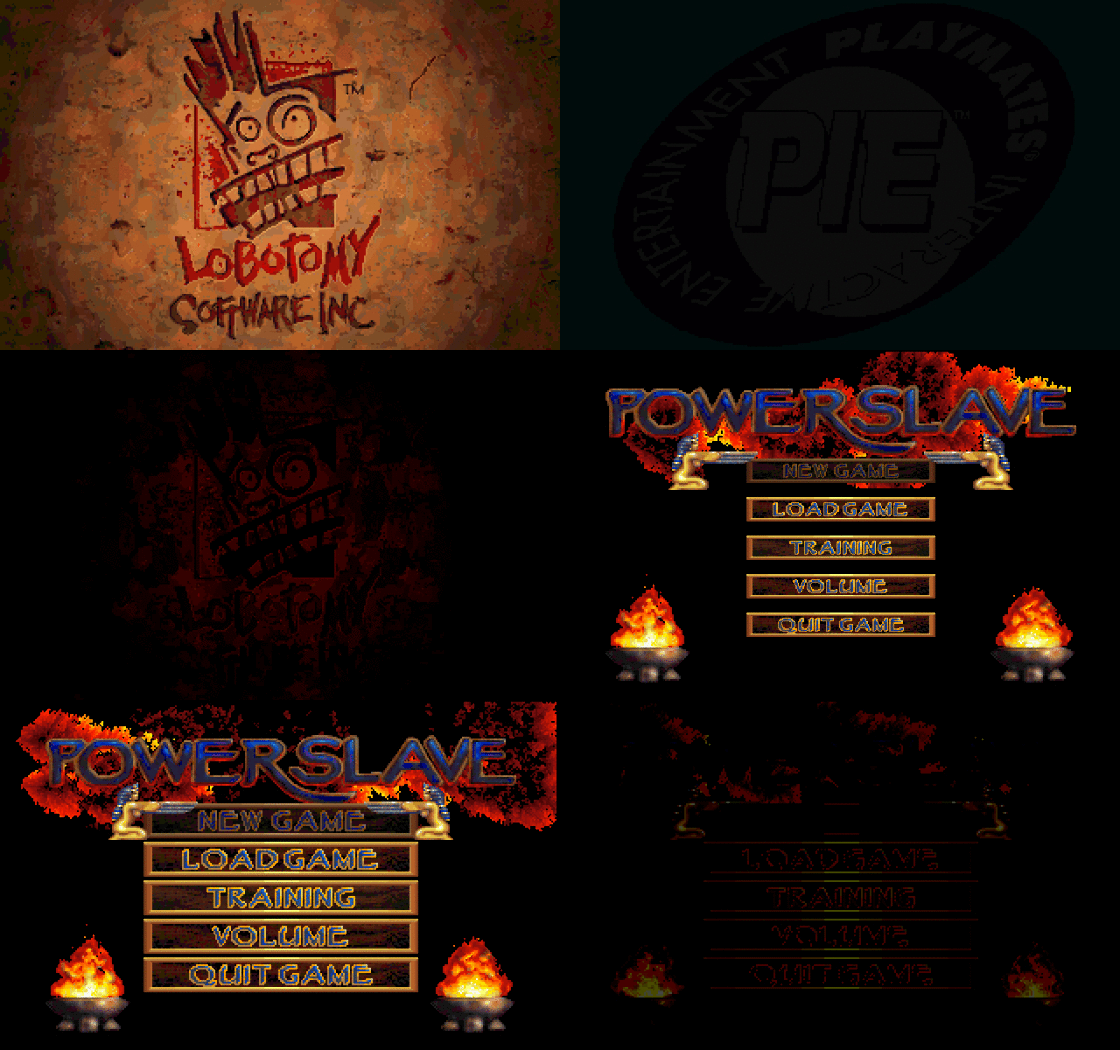
Most 90s shooters wanted you to think about sci-fi corridors or hell dimensions. Powerslave asked a different question: what if
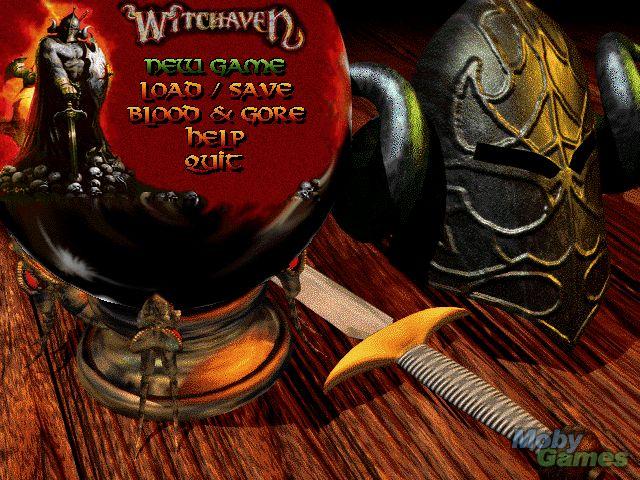
By 1995 the Build engine had a reputation, and it wasn’t for swordplay. Duke Nukem 3D and Blood were still
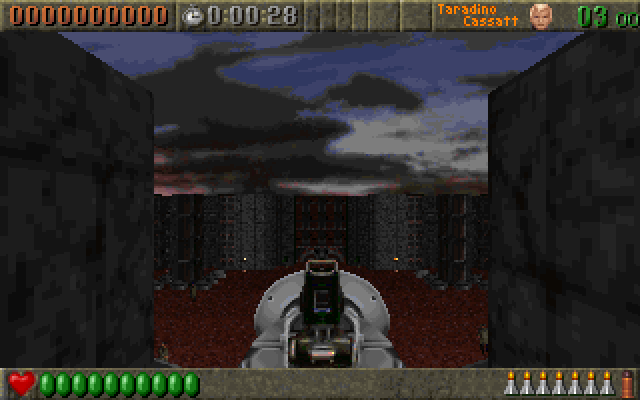
How a failed Wolfenstein 3D sequel became Apogee’s most chaotic shooter — Tom Hall’s design, the H.U.N.T. agents, and how to run it in DOSBox today.
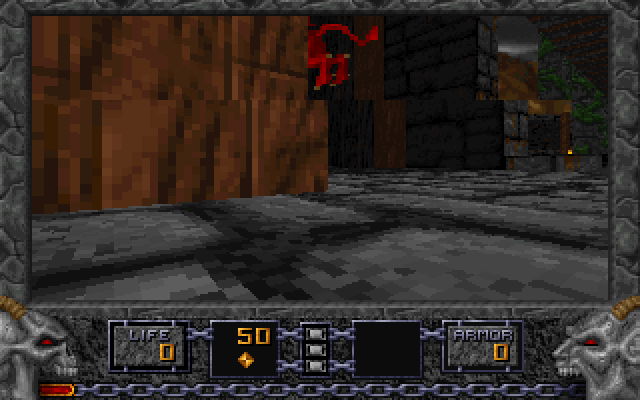
Raven Software licensed id’s Doom engine and added flight, swimming and a real-time inventory. Here’s how Heretic happened — and how to play it now.
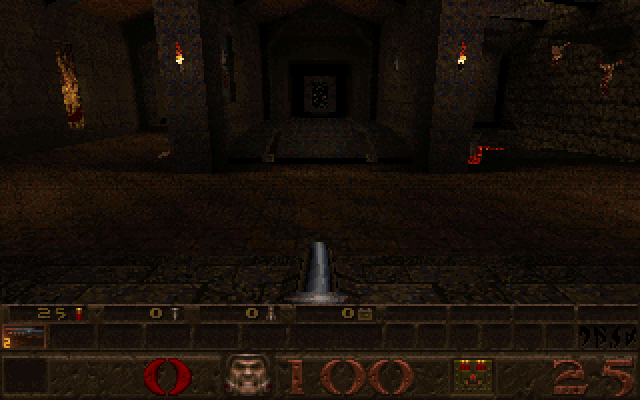
How id Software’s Quake replaced Doom’s 2.5D trick with true 3D — plus the real story behind its Nine Inch Nails soundtrack and DOSBox setup.
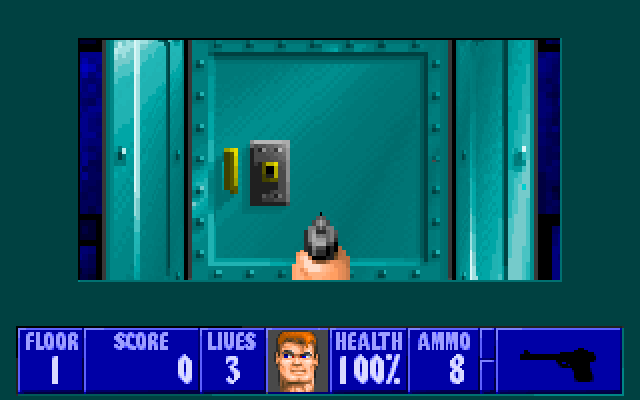
How id Software borrowed a 1981 Apple II stealth game’s name to invent the first-person shooter — Wolfenstein 3D’s history and DOSBox setup.
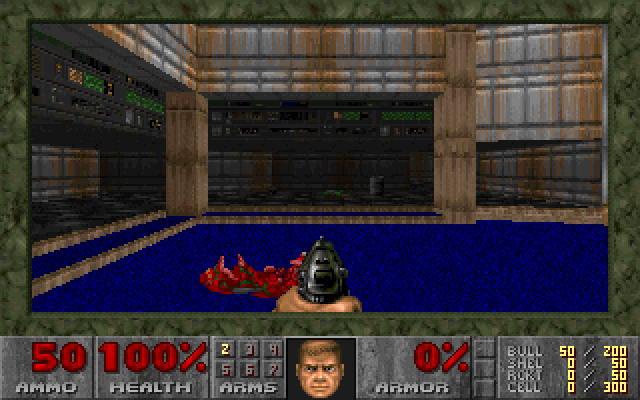
How id Software’s free shareware episode, BSP engine, and reverse-engineered WAD format turned Doom into gaming’s first true modding ecosystem.