
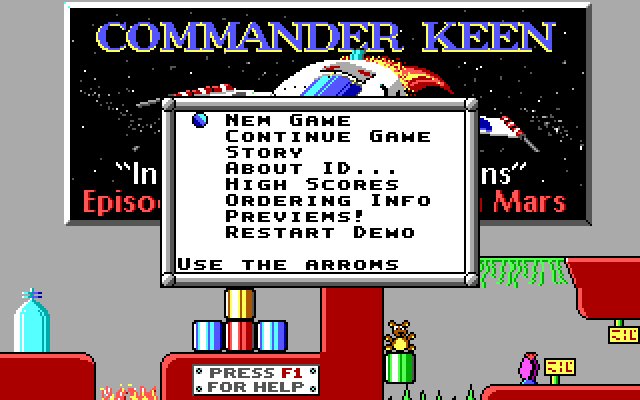
How Scott Miller Invented Shareware Gaming at Apogee
A $10,000 failure led Scott Miller to invent episodic shareware, sign id Software, and build Apogee into the model every free-to-play game copies.
A $10,000 failure led Scott Miller to invent episodic shareware, sign id Software, and build Apogee into the model every free-to-play game copies.
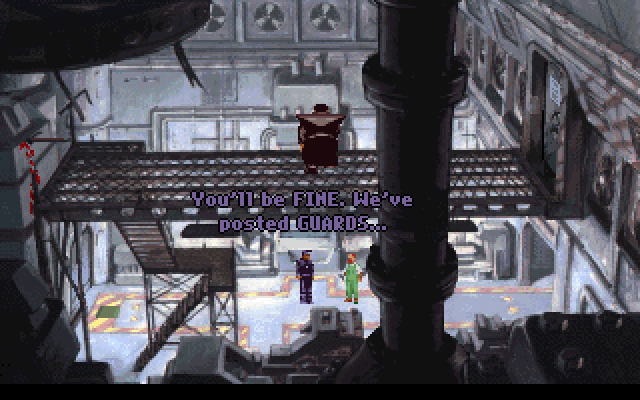
How Watchmen artist Dave Gibbons helped design 1994’s Beneath a Steel Sky, and how it became a freeware classic preserved by ScummVM.
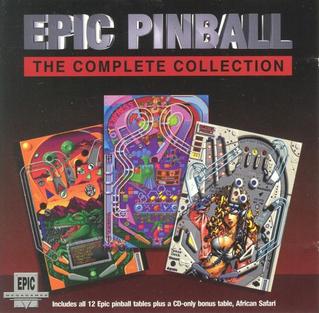
One programmer wrote Epic Pinball in assembly language in 10 months — then used its success to found the studio behind Unreal and Warframe.
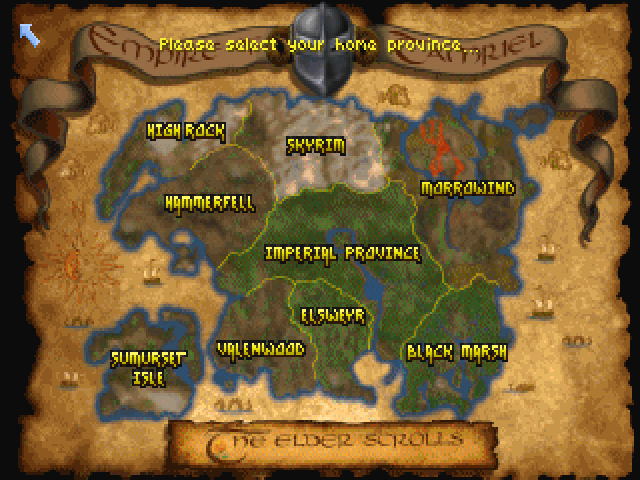
Daggerfall’s procedurally generated world dwarfs Great Britain in size — how it was built, why it broke so often, and how to play it (free) in 2026.
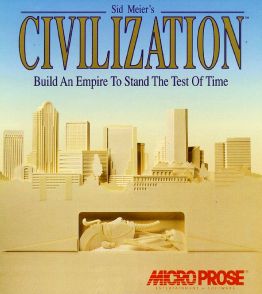
How Sid Meier and Bruce Shelley turned Francis Tresham’s board game roots into the 1991 MicroProse classic — the real prototyping story.
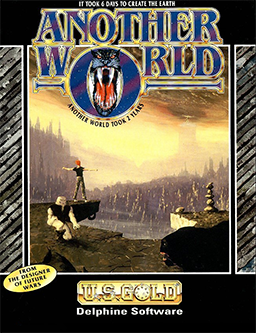
How Éric Chahi built Another World alone in ~2 years using rotoscoped polygon animation instead of sprites — plus DOSBox setup and tips.
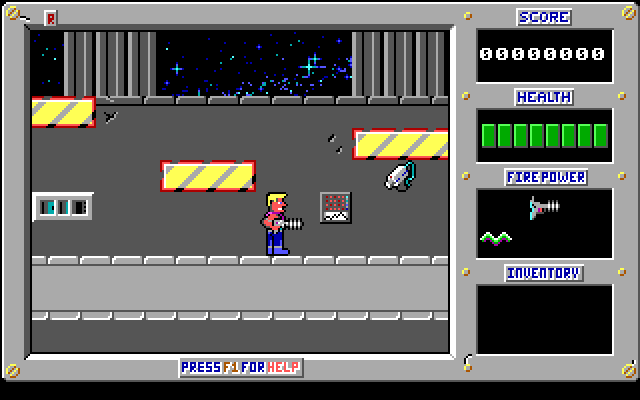
Before the chain-gun and one-liners, Duke Nukem was a 1991 Apogee shareware platformer. Development history, DOSBox setup, and the Duke Nukum name story.
How Midway’s bloody fighter, a 1993 Senate hearing, and Acclaim’s uncensored DOS port combined to create the ESRB rating system.
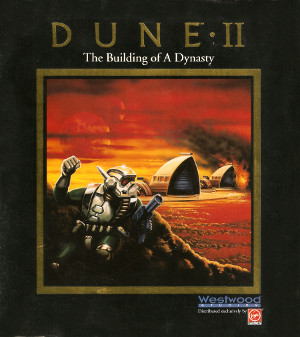
Herzog Zwei got there first in 1989, but Dune II codified real-time strategy. Westwood’s Arrakis campaign and the RTS template it created.
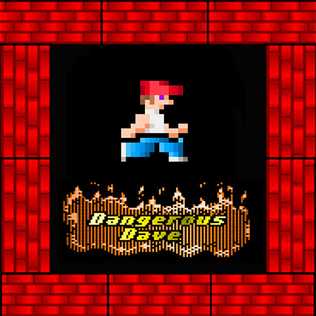
John Romero’s 1990 Softdisk platformer led to a joke Mario demo that convinced its creators to found id Software. Here’s the real sequence of events.

Hocus Pocus paired VGA fantasy art with elemental magic bolts and a full freeware release — here’s how Moonlite Software’s platformer holds up.
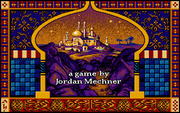
How Jordan Mechner filmed his brother and a swashbuckler film to animate Prince of Persia’s movement and combat — plus a 60-minute clock that never stops.