

Hocus Pocus (1994): Apogee’s Best-Looking DOS Platformer
Hocus Pocus paired VGA fantasy art with elemental magic bolts and a full freeware release — here’s how Moonlite Software’s platformer holds up.
Hocus Pocus paired VGA fantasy art with elemental magic bolts and a full freeware release — here’s how Moonlite Software’s platformer holds up.

How Jordan Mechner filmed his brother and a swashbuckler film to animate Prince of Persia’s movement and combat — plus a 60-minute clock that never stops.
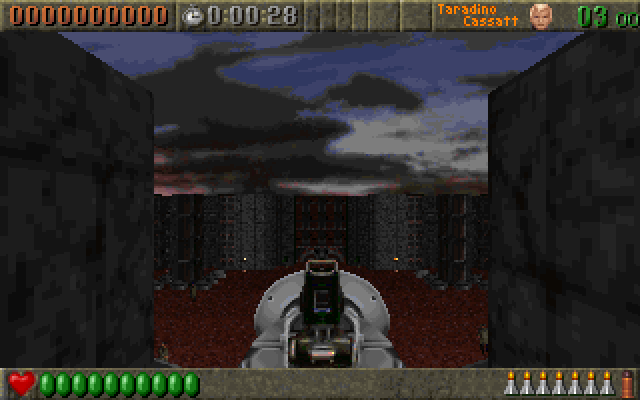
How a failed Wolfenstein 3D sequel became Apogee’s most chaotic shooter — Tom Hall’s design, the H.U.N.T. agents, and how to run it in DOSBox today.
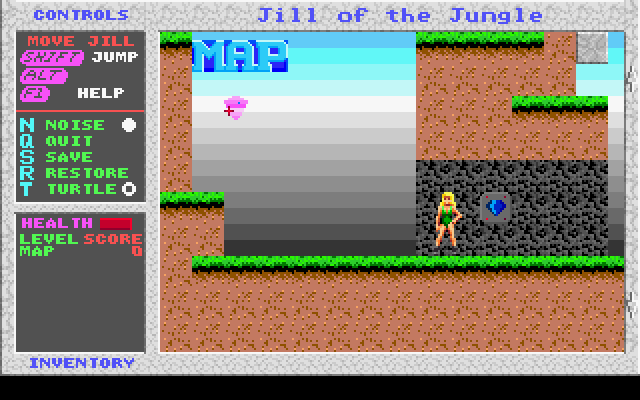
How a bedroom coder’s rebranded shareware company used a jungle-warrior platformer to fund the studio that would later build Unreal Engine.
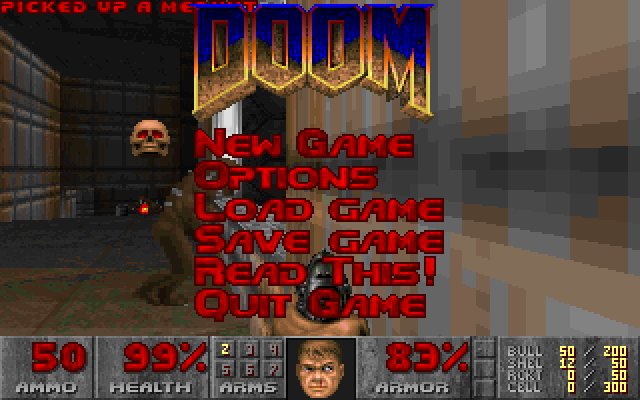
A curated, verified list of DOS games that are actually free and legal today — true freeware releases and complete shareware episodes, not abandonware.
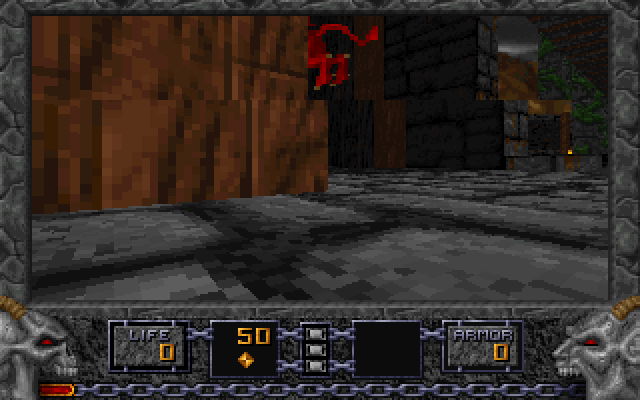
Raven Software licensed id’s Doom engine and added flight, swimming and a real-time inventory. Here’s how Heretic happened — and how to play it now.
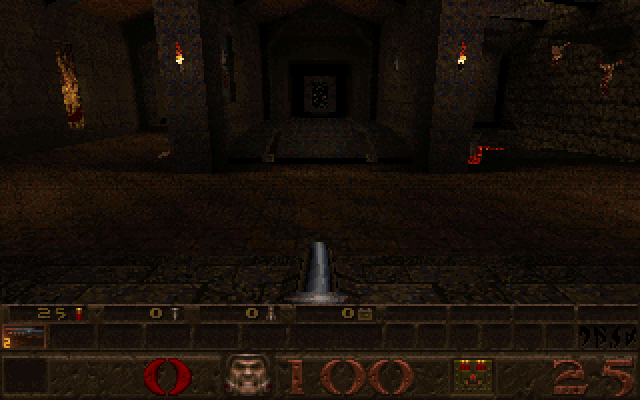
How id Software’s Quake replaced Doom’s 2.5D trick with true 3D — plus the real story behind its Nine Inch Nails soundtrack and DOSBox setup.
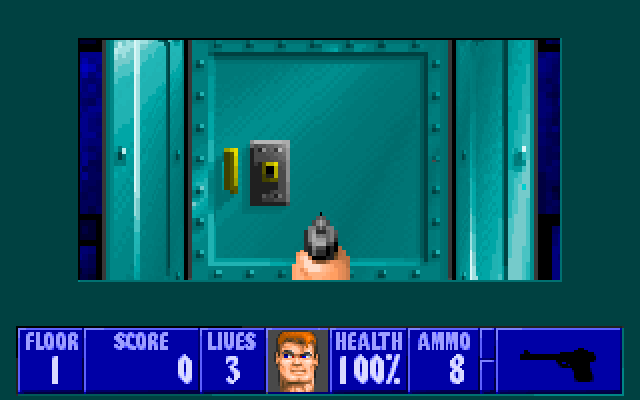
How id Software borrowed a 1981 Apple II stealth game’s name to invent the first-person shooter — Wolfenstein 3D’s history and DOSBox setup.
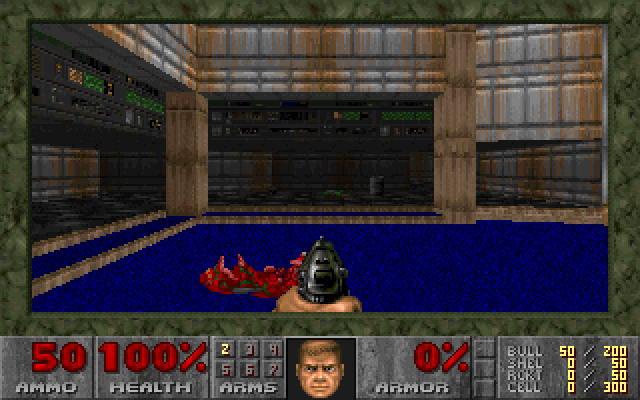
How id Software’s free shareware episode, BSP engine, and reverse-engineered WAD format turned Doom into gaming’s first true modding ecosystem.